
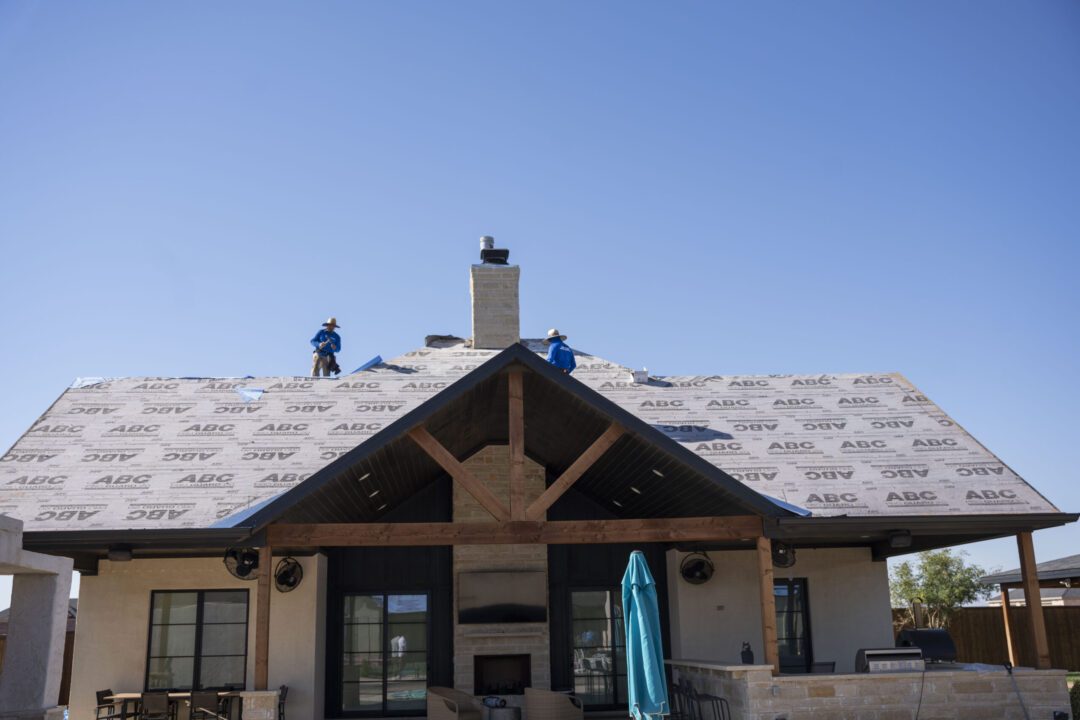
While homeowners face major expenses across HVAC, plumbing, and electrical systems, roof replacement is one of the most expensive services for homeowners. From labor costs and roofing system complexity to weather complications and material prices, several factors impact pricing. If you’re unsure how roofing age, damage, and insurance coverage intersect, understanding the basics now can help prevent costly surprises later.
Why Storm Damage and Roof Age Matter to Insurance Coverage
Storm damage is an unexpected expense that thousands of homeowners face each year. It’s an unpredictable variable that both roofers and home insurance providers must consider. While freak accidents can happen, most roof replacements result from recurring damage caused by missed maintenance.
Homeowners are often surprised by major roofing expenses because problems tend to develop quietly over time and surface all at once. Several factors contribute to this disconnect:
- Roofing systems deteriorate gradually, making damage difficult to notice from the ground
- Multiple issues often occur simultaneously rather than as isolated repairs
- Routine maintenance is frequently mistaken for insurance-covered damage
- Roof age is easy to overlook once a home is purchased
- Insurance coverage is commonly misunderstood, especially regarding wear and tear
- Storm damage can accelerate existing weaknesses without obvious visible signs
- Deferred maintenance increases the likelihood of sudden, high-cost repairs
- Insurance claims may result in partial payouts due to depreciation
- Many homeowners don’t review roof-related endorsements or exclusions until after damage occurs
However, homeowners’ insurance only protects against sudden or unexpected damage. Like a car, roofing value deteriorates over time. This depreciation is caused by common issues such as UV damage, granule loss, cracks, curling, and general wear. When a roofing system is older, this natural deterioration increases the likelihood of full replacement, which raises liability concerns for insurance carriers. Calculating costs based on roof age and condition helps insurers limit repeated high-cost claim settlements.
Homeowners’ Insurance 101
There are a few key factors to consider before coordinating with your insurance company.
What is the extent of damage to my roofing system?
This is determined after the initial inspection with your roofing company. Ask them to provide thorough documentation of the damage they observe. Most roofing companies inspect the entire roofing system, including:
- Shingles or roofing membrane
- Flashing around chimneys, vents, and skylights
- Ridge caps and hip lines
- Valleys and drainage points
- Gutters and downspouts
- Underlayment visibility
- Decking condition (where accessible)
- Signs of granule loss or surface wear
- Cracks, curling, blistering, or punctures
- Storm impact marks
- Sealant and fastener integrity
- Roof penetrations
- Attic ventilation (where accessible)
- Moisture intrusion or staining
- Soft spots or structural concerns
- Edge metal and drip edge
- Previous repair areas
- Manufacturer defects (if visible)
- Overall slope and drainage performance
- General roof age and condition
How old is my roofing system?
Older roofs are more susceptible to damage. Before contacting your insurance company, locate the most recent documentation from your last roofing installation. Insurers use this information to calculate Actual Cash Value (ACV) and Replacement Cost Value (RCV).
In most cases, the insurance company issues payment based on ACV first. To determine this amount, the insurer calculates the total replacement cost and subtracts depreciation based on the roof’s age and condition.
Roof lifespan varies by material:
- Shingle: 15–30 years
- Metal: 40–70 years
- TPO: 15–30 years
What are the carrier underwriting guidelines for roofing?
Insurance carriers evaluate several factors when underwriting roofing coverage, including:
- Documented maintenance
- Roof age, material, and condition
- Location
- Coverage type
Once you’ve gathered the necessary information, contact your insurance company. Some roofing companies will coordinate directly with your insurance carrier, helping streamline the roof replacement process.
Why Maintenance Is Not an Insurance-Covered Expense
Maintenance is a more manageable expense and far less extensive than a full replacement. As a result, homeowners’ insurance does not cover routine repairs, which can cause some homeowners to delay necessary maintenance due to upfront costs.
When routine maintenance is neglected, it can lead to structural issues such as wood rot or mold, increasing overall liability risk. This type of deterioration can negatively affect coverage eligibility, renewals, and future claims.
Planning Ahead for Roofing Repairs and Replacement
Unexpected repairs are part of homeownership. Planning ahead helps homeowners stay on top of maintenance and reduces the risk of complete roof replacements.
Practical planning tips include:
- Setting aside emergency savings specifically for roof repairs and insurance deductibles
- Reviewing insurance deductibles regularly and confirming how they apply to roof claims
- Understanding whether a policy provides Actual Cash Value (ACV) or Replacement Cost Value (RCV) coverage
- Tracking the age and condition of the roofing system and keeping installation records accessible
- Scheduling routine inspections to identify small issues before they escalate
- Separating maintenance budgeting from insurance planning to avoid reliance on claims
- Reviewing manufacturer warranties and understanding what is covered versus excluded
- Reassessing coverage options after major home improvements or roof upgrades
Proactive planning allows homeowners to manage routine expenses independently while preserving insurance coverage for significant, unexpected losses.
Insurance as a Safety Net, Not a Maintenance Plan
Insurance supports homeowners during emergencies. When facing thousands of dollars in repair costs, insurance can absorb a large portion of the financial burden. Maintenance, on the other hand, protects roofing systems from common damage and long-term deterioration.
To maintain roof health and avoid coverage gaps, an annual insurance checkup is recommended to review deductibles, replacement cost options, coverage limits, and policy exclusions before a claim is ever needed.