
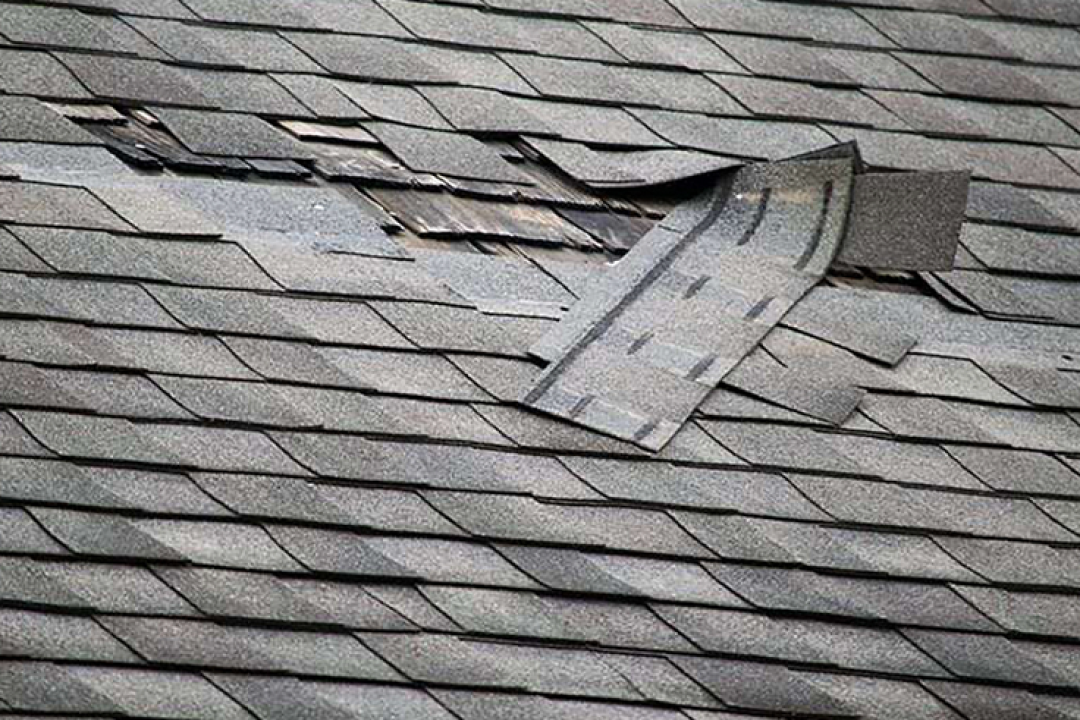
Your shingles are one of the first things standing between your home and the West Texas weather. So when they start curling, cracking, or lifting, it is worth paying attention.
Sometimes the cause is simple aging. Other times, heat, wind, moisture, or poor ventilation can speed up the damage. The hard part is that shingle problems do not always mean the same thing, and they do not always mean you need a full roof replacement.
At West Texas Commercial Roofing, we help homeowners figure out what is actually happening with their roof before small problems turn into bigger ones.
Heat Can Dry Shingles Out Over Time
West Texas summers are hard on roofing materials.
Day after day of strong sun and high temperatures can dry shingles out and make them more brittle. As shingles lose flexibility, they may start cracking or curling at the edges.
This kind of wear usually happens gradually, so homeowners may not notice it right away. Then one day, the roof starts looking uneven or certain shingles no longer sit flat.
Heat alone does not always mean there is a major roofing problem, but it can speed up the aging process, especially on an older roof.
Strong Wind Can Lift Shingles
Wind is another common reason shingles start lifting.
A shingle does not have to blow completely off the roof to be damaged. Strong gusts can loosen the seal, lift the edge, or shift the shingle just enough to create a weak spot.
That can become a bigger concern the next time rain or another storm moves through.
At West Texas Commercial Roofing, we often find wind damage that homeowners could not see from the ground. The roof may still look mostly intact, but some shingles are no longer sealed the way they should be.
Age Plays a Big Role
Even a well-installed roof will eventually show signs of wear.
As asphalt shingles age, they naturally become less flexible and more vulnerable to cracking, curling, and granule loss. If several areas of the roof are starting to show the same kind of wear, age may be part of the issue.
That does not automatically mean the roof needs to be replaced right away. A professional inspection can help determine whether the problem is limited to a few shingles or whether the roof is beginning to wear more broadly.
Poor Ventilation Can Affect the Roof From Below
Sometimes the problem is not coming from the weather above the roof. It is coming from heat trapped underneath it.
If an attic is not ventilating properly, excess heat and moisture can build up below the roofing system. Over time, that can put extra stress on the shingles and cause them to age faster.
This is one reason West Texas Commercial Roofing looks at the roofing system as a whole. Curling shingles may be the visible sign, but the real cause can sometimes be deeper than the surface.
Moisture Can Cause Shingles to Shift or Deteriorate
Moisture and roofing materials are never a good combination.
If water gets underneath shingles, it can affect the decking below and cause materials to swell, shift, or weaken. Over time, that movement can make shingles look curled or uneven.
Moisture may come from storm damage, worn flashing, damaged seals, or an area where the roofing system has already been compromised.
If shingles are lifting and you are also noticing stains, damp areas, or signs of a leak inside the home, it is a good idea to have the roof checked.
Installation Problems Can Show Up Later
Not every shingle issue is caused by weather or age.
If shingles were not installed correctly, they may start lifting, shifting, or wearing unevenly over time. Improper fastening, poor alignment, or installation over a surface that was not prepared correctly can all affect how the roof performs.
These problems may not show up immediately. In some cases, it takes a few seasons of heat, wind, and storms before the weak spots become obvious.
Cracked Shingles Can Let Water In
A cracked shingle may look like a small issue, but it creates a place where water can begin working its way into the roofing system.
One crack does not necessarily mean there is widespread damage, but multiple cracked shingles can be a sign that the roof is becoming brittle or aging faster than it should.
The important thing is to catch the issue before water has time to reach the decking or interior of the home.
Curling Shingles Can Be a Sign of Advanced Wear
When shingles begin curling at the corners or edges, they are no longer lying flat against the roof.
That makes them more vulnerable to wind and moisture. Once a shingle starts lifting away from the surface, it becomes easier for weather to get underneath it and cause additional damage.
A few curling shingles may be repairable. If the problem is happening across large areas of the roof, it may point to a bigger issue with age, heat exposure, or ventilation.
You Do Not Have to Diagnose the Problem Yourself
If something looks different on your roof, you do not need to climb up there and try to figure it out yourself.
In fact, it is much safer to leave that part to a professional.
From the ground, look for areas that appear uneven, shingles that look lifted, or spots where the roof surface has changed. If you notice something that does not look right, West Texas Commercial Roofing can take a closer look and help identify the cause.
When Should You Call a Roofer?
It is a good idea to have your roof inspected if you notice:
- Curling shingle edges
- Cracked or broken shingles
- Shingles lifting after high winds
- Missing shingles
- Excessive granules around gutters or downspouts
- Uneven areas on the roof
- Water stains inside your home
- Roofing materials in the yard after a storm
You do not have to wait until there is an active leak.
The earlier a roofing issue is found, the more options you may have for addressing it.
Repair or Replace?
This is usually the question homeowners really want answered.
If the damage is limited to a small area and the rest of the roof is in good shape, a repair may be all that is needed. If shingles are curling, cracking, or lifting across much of the roof, the issue may be related to age or overall deterioration.
West Texas Commercial Roofing can inspect the roof and help you understand which option makes the most sense based on its actual condition.
Let West Texas Commercial Roofing Take a Closer Look
Curling, cracked, or lifted shingles are easy to ignore when the roof is not leaking yet. But they are often your roof’s way of telling you something has changed.
Whether the cause is heat, wind, age, moisture, or another issue, catching it early can help prevent more damage later.
If you have noticed changes in your shingles, contact West Texas Commercial Roofing to schedule a roof inspection. Our team works with homeowners across West Texas to identify roofing problems and help determine the right next step.