
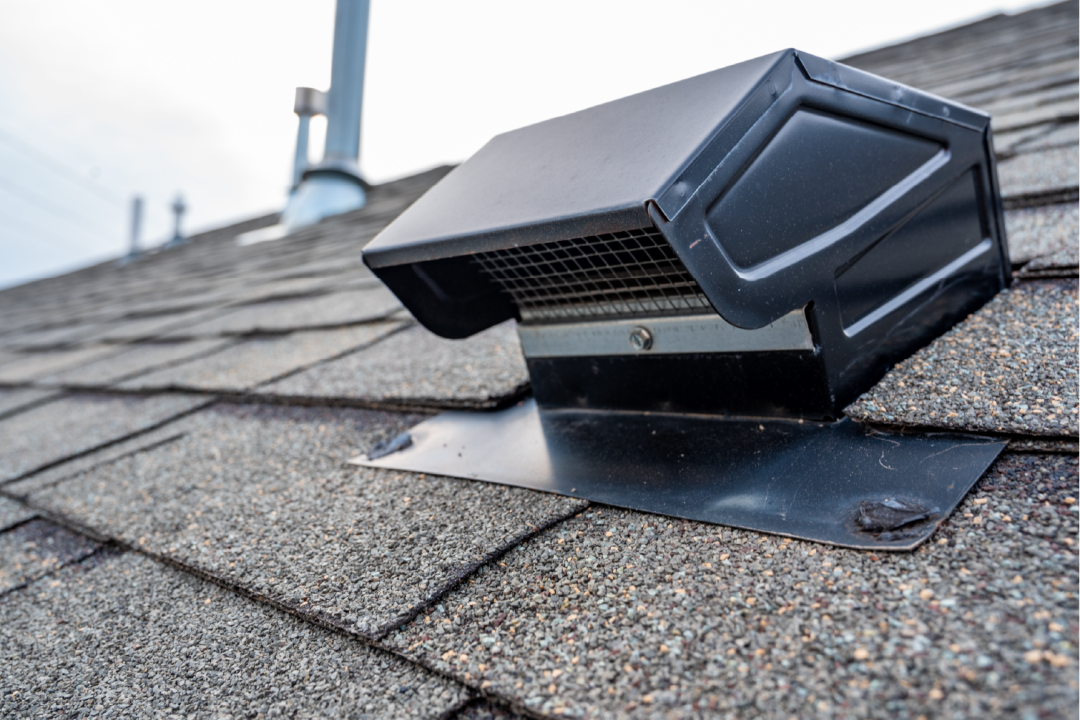
Roof ventilation is one of those things most homeowners do not think about until there is a problem.
But good airflow plays a big role in how well your roof and attic handle changing temperatures, moisture, and everyday wear. That is why fall is such a good time to take a closer look.
As temperatures begin to cool in West Texas, your roof is moving out of months of intense heat and into a season where moisture, colder air, and temperature swings can create a different set of problems.
At West Texas Commercial Roofing, we help homeowners understand how roof ventilation fits into the bigger picture and why it matters before winter weather arrives.
Roof Ventilation Helps Control Heat and Moisture
Your attic needs a way for hot, humid, or trapped air to move out.
Without proper ventilation, heat can build up during the day and moisture can linger when temperatures start to change. Over time, that can put extra stress on roofing materials and the structure below them.
Good ventilation helps create a more balanced environment in the attic. That can make it easier for your roof to handle seasonal changes and help reduce the risk of moisture-related issues.
Summer Heat Can Reveal Ventilation Problems
After a long West Texas summer, fall can be a good time to see how well your attic and roof handled the heat.
If the attic stayed excessively hot, if your home struggled to cool evenly, or if energy bills seemed higher than expected, poor ventilation may be one piece of the puzzle.
That does not always mean there is a serious roofing issue, but it can be worth checking before another season of temperature changes begins.
At West Texas Commercial Roofing, we look at the roof as a full system. Ventilation, insulation, shingles, flashing, and other components all work together.
Moisture Can Become a Bigger Concern as Temperatures Drop
As outdoor temperatures begin to cool, warm air inside the home can meet colder surfaces in the attic.
When ventilation is poor, that can create conditions where moisture has a harder time escaping. Over time, trapped moisture may contribute to problems with insulation, wood decking, or other parts of the roofing system.
Fall is a good time to make sure your attic has the airflow it needs before colder weather settles in.
Signs Your Roof May Not Be Ventilating Properly
Ventilation problems are not always obvious, but there are a few clues homeowners can watch for.
These may include:
- An attic that feels extremely hot
- Uneven temperatures throughout the home
- Higher energy bills
- Musty or damp smells in the attic
- Moisture around attic surfaces
- Premature shingle wear
- Visible condensation
- Signs of mold or mildew
If you notice any of these issues, it may be worth having your roof and attic checked.
Poor Ventilation Can Affect Shingle Life
Your shingles are built to handle heat, but trapped attic heat can add even more stress from below.
When roofing materials are exposed to high temperatures from both sides for long periods of time, they may age faster. That can contribute to cracking, curling, or other signs of wear over time.
Proper ventilation helps move excess heat out of the attic and can support the long-term performance of the roof.
For West Texas homeowners, where summer heat is already intense, that matters.
Ventilation Can Affect Comfort Inside the Home Too
Roof ventilation is not only about protecting roofing materials. It can also affect how comfortable the home feels.
If hot air becomes trapped in the attic, the rooms below may feel warmer or harder to cool. Your HVAC system may also have to work harder to maintain a comfortable temperature.
In fall, when temperatures start shifting from warm days to cooler nights, proper airflow helps the home adjust more efficiently.
Different Homes Need Different Ventilation Solutions
There is no one-size-fits-all approach to roof ventilation.
The right setup depends on the roof design, attic size, existing vents, insulation, and other factors. Some homes may use ridge vents, soffit vents, turbine vents, or a combination of systems.
The important part is making sure intake and exhaust are working together properly.
At West Texas Commercial Roofing, we can help homeowners understand whether their existing ventilation system is doing what it should.
Fall Is a Good Time to Catch Problems Before Winter
One reason fall is such a smart time to check roof ventilation is that it gives you time to address problems before colder weather arrives.
If ventilation, insulation, or roofing materials are already showing signs of stress, fixing them now can help prevent more trouble later.
It is much easier to deal with a small airflow or moisture issue before it becomes a larger roofing problem.
A Roof Inspection Can Help You See the Bigger Picture
Ventilation problems are not always something you can diagnose from the ground.
A professional inspection can help identify whether the attic is getting enough airflow and whether heat or moisture has started affecting other parts of the roofing system.
West Texas Commercial Roofing can take a closer look at the roof, attic ventilation, and related components to help you understand what is working and what may need attention.
Give Your Roof a Better Start to the Cooler Months
Your roof does more than keep rain out. It also helps manage heat, airflow, and moisture throughout the year.
Fall is a smart time to make sure those systems are working together the way they should.
If you have noticed attic heat, moisture, uneven temperatures, or signs of early roof wear, West Texas Commercial Roofing can help you take a closer look before winter arrives.
Schedule a Roof Inspection With West Texas Commercial Roofing
West Texas Commercial Roofing works with homeowners across West Texas to inspect roofing systems, identify ventilation concerns, and help protect homes through changing seasons.
Contact West Texas Commercial Roofing to schedule a roof inspection this fall.