
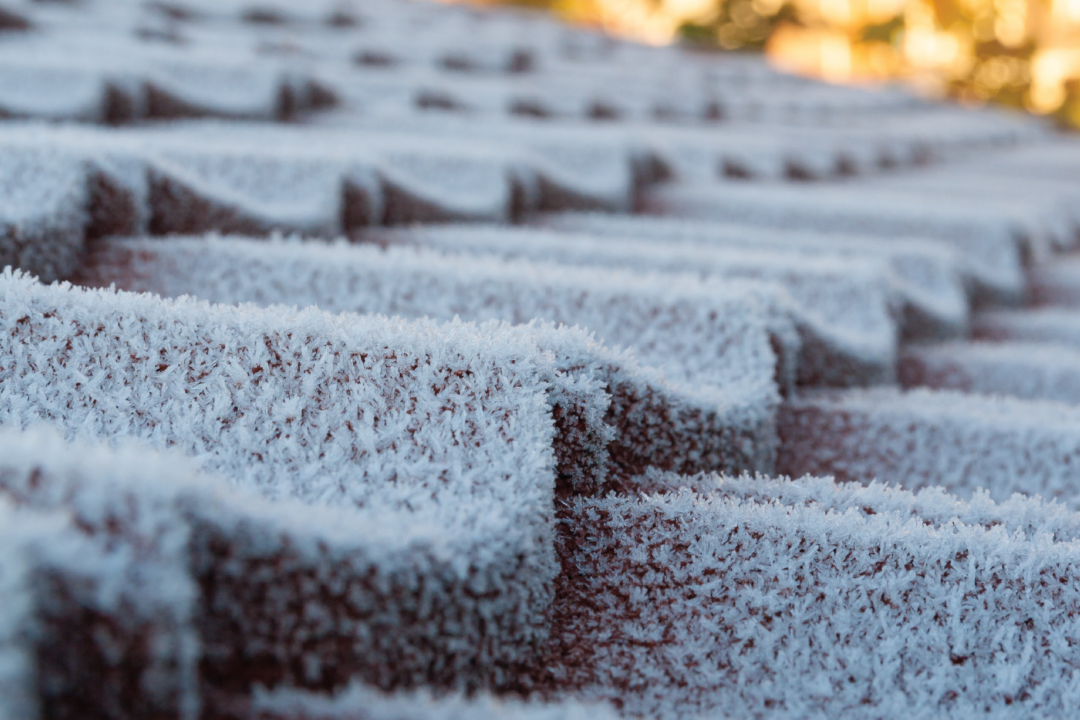
Cooler weather can be a relief after a long West Texas summer, but it can also bring roofing problems to the surface.
A roof may seem fine through months of heat and dry weather, then suddenly start showing signs of trouble once temperatures drop. That is because colder weather, moisture, and temperature swings can put extra stress on roofing materials that are already worn or weakened.
At West Texas Commercial Roofing, we often see homeowners notice leaks, loose shingles, or other issues once the weather changes. In many cases, the problem did not start with the cold. The cooler weather simply made an existing issue easier to see.
Temperature Changes Can Stress Roofing Materials
West Texas weather can change quickly.
A warm afternoon followed by a cold night causes roofing materials to expand and contract. Over time, that repeated movement can put stress on shingles, flashing, sealants, and other parts of the roof.
If those materials are already aging or damaged, cooler weather may make cracks, gaps, or loose areas more noticeable.
That is one reason fall is a good time to pay attention to changes in the roof instead of waiting for winter to arrive.
Small Cracks Can Become Bigger Openings
A small crack in flashing, sealant, or roofing material may not cause an obvious problem during dry weather.
Once cooler temperatures arrive, materials can contract. That can make small gaps wider and create an easier path for moisture to get into the roofing system.
What looked minor during summer can suddenly become a leak after a cold front or a stretch of wet weather.
At West Texas Commercial Roofing, we encourage homeowners to address small signs of damage before colder weather has a chance to make them worse.
Moisture Can Find Weak Spots
Cooler weather often comes with more moisture, whether from rain, condensation, or changing humidity.
If your roof already has a weak area, that moisture can find it quickly.
A loose shingle, damaged flashing, worn seal, or small crack may not have caused trouble before, but once water gets into the system, the problem can spread.
This is why some homeowners notice roof issues for the first time in fall, even though the damage may have been there for months.
Shingles Can Show More Wear
Shingles take a lot of abuse during a West Texas summer.
Heat and sun can dry them out, while wind and storms can loosen or damage them. When cooler weather arrives, shingles that are already brittle may start curling, cracking, or lifting more noticeably.
If you see shingles that look uneven or out of place, it is worth having them checked.
A few damaged shingles may be repairable, but widespread wear can point to a larger issue.
Flashing Can Become a Trouble Spot
Flashing helps protect some of the most vulnerable parts of your roof, including areas around chimneys, vents, walls, and roof transitions.
If flashing has shifted or weakened over time, cooler weather can make those gaps more noticeable.
Water can then work its way into the roofing system around those areas.
West Texas Commercial Roofing pays close attention to flashing during inspections because it is one of the common places leaks can start.
Attic Moisture Can Become More Noticeable
As outdoor temperatures drop, warm air inside your home can rise into the attic.
If ventilation is poor or moisture is already present, condensation can become a bigger concern.
You may notice damp smells, moisture on attic surfaces, or changes in insulation.
These signs do not always mean the roof itself is leaking, but they are worth investigating because ventilation, insulation, and roofing materials all work together.
Interior Signs May Show Up First
Sometimes the first sign of a roof problem is not on the roof at all.
You may notice:
- Water stains on ceilings
- Discolored drywall
- Bubbling paint
- Damp spots
- Musty smells
- Changes around windows or walls
These signs can point to moisture getting into the home somewhere above.
If you see something new inside after cooler weather arrives, it is worth finding out where it is coming from.
Older Roofs May Be More Vulnerable
Age matters.
As a roof gets older, materials naturally become less flexible and more vulnerable to weather changes.
Cooler temperatures can make existing wear more noticeable, especially if the roof has already been through years of heat, wind, hail, and storms.
That does not always mean the roof needs to be replaced, but it does mean older roofs deserve a little more attention as the seasons change.
Fall Is a Good Time to Catch Problems Early
One of the biggest advantages of addressing roofing issues in fall is timing.
If something needs attention, you have a chance to take care of it before colder weather and winter storms put more stress on the roof.
A small repair now can be much easier than dealing with a leak later.
At West Texas Commercial Roofing, we help homeowners figure out what needs to be fixed now, what can be monitored, and what the roof may need down the road.
Do Not Wait for a Major Leak
A roof problem does not have to be dramatic to matter.
Small changes in shingles, flashing, moisture, or interior surfaces can all be early signs that something is going on.
The earlier you catch the issue, the more options you may have.
If cooler weather has revealed something new around your home, West Texas Commercial Roofing can help you get a clearer picture of what is happening.
Schedule a Roof Inspection With West Texas Commercial Roofing
West Texas Commercial Roofing works with homeowners across West Texas to inspect roofing systems, identify problem areas, and help prevent small issues from turning into bigger repairs.
If you have noticed changes in your roof as temperatures drop, contact West Texas Commercial Roofing to schedule an inspection.