
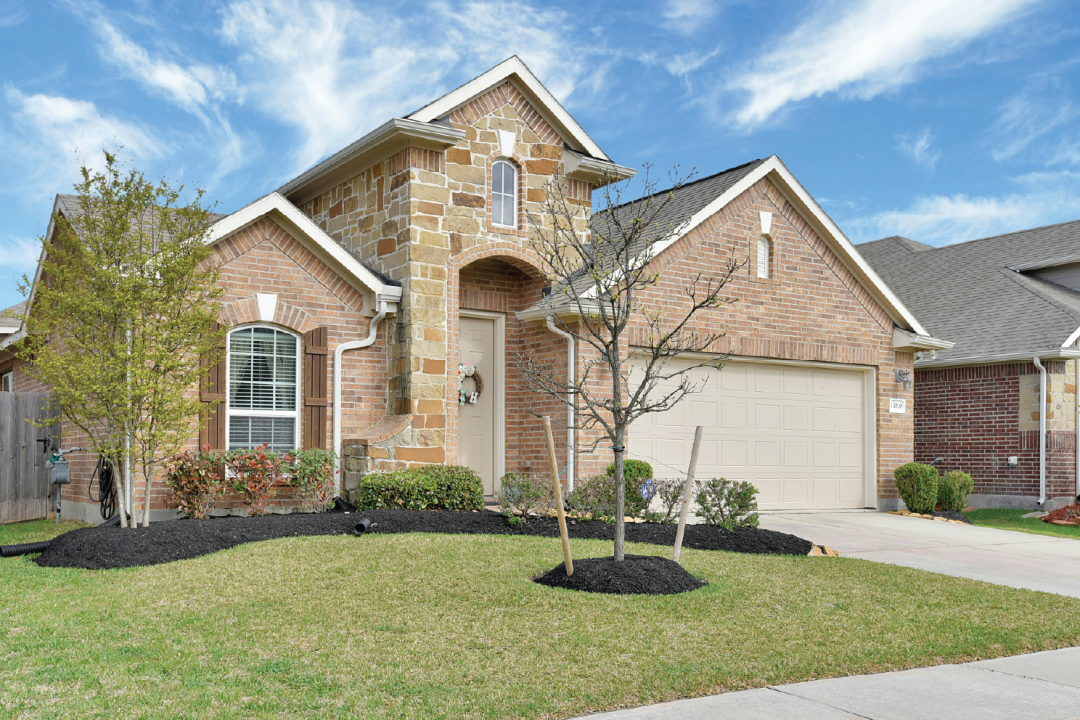
A roof inspection should not leave you with more questions than answers. Instead, it should give you a clear understanding of your roof’s condition, help you identify any damage, and show you what steps make the most sense next.
In Lubbock, that matters even more. After all, wind, hail, heat, and normal wear can all take a toll on a roof over time. Because of that, even small issues can turn into bigger problems if they go unnoticed for too long. A residential roof inspection helps catch those issues early and, in turn, gives homeowners a better idea of whether they need repairs, replacement, or simply peace of mind.
Why a Roof Inspection Matters
Many homeowners do not realize there is a problem until they see a leak, missing shingles, or visible storm damage. However, roof issues are not always obvious from the ground. In many cases, the early warning signs are hidden around flashing, roof edges, ventilation points, and drainage areas.
That is why a professional inspection matters. Rather than guessing, you can get a clearer picture of what is actually going on. Our inspection process covers key roofing components such as flashing, gutters, shingles, HVAC units, roof decking, underlayment, attic ventilation, skylight seals, granule loss, nail pops, roof edge and drip edge, downspouts, soffit and fascia, and interior ceiling and wall concerns.
As a result, a roof inspection does more than confirm damage. It also helps you prevent future issues, plan ahead for repairs, and make better decisions about your home.
When You Should Schedule a Residential Roof Inspection
There is not one perfect time to schedule a roof inspection. Even so, there are several moments when it becomes especially important.
After a Storm
If your home has been through hail, strong wind, or severe weather, an inspection can help determine whether there is visible or hidden damage. In West Texas, that is especially important because storm damage does not always show up right away.
When You Notice Signs of Damage
If you spot missing shingles, cracked shingles, granules collecting in gutters, water stains on ceilings, or other visible wear, it is a good time to call for an inspection. The sooner you understand the condition of the roof, the easier it usually is to make a smart plan.
If Your Roof Is Getting Older
As roofs age, they naturally become more vulnerable to wear. Therefore, even if there is not one major obvious issue, an inspection can help you understand how much life your roof may still have left.
Before Buying or Selling a Home
A roof inspection can also be helpful during a real estate transaction. On one hand, buyers want fewer surprises. On the other hand, sellers want a better understanding of the roof’s condition before negotiations begin.
What Happens Before the Inspection Starts
One reason some homeowners put off inspections is because they assume the process will be stressful or inconvenient. However, a good roofing company should make it feel straightforward from the beginning.
Before the inspection starts, the roofing contractor may ask what concerns you have noticed. For example, they may ask whether you recently had a storm, saw a leak, or noticed damage from the ground. That information helps guide the inspection and gives the roofer better context for what to look for.
What the Roofing Team Looks For During the Inspection
This is usually the part homeowners are most curious about. During the inspection, the roofing team evaluates the overall condition of the roof and looks for signs of storm damage, wear, and developing problem areas.
According to West Texas Commercial Roofing’s inspection and local service pages, the inspection may include checking:
- roof decking
- roofing underlayment
- flashing
- attic ventilation
- chimney condition
- skylight seals
- shingle damage
- granule loss
- moss and algae
- nail pops and loose fasteners
- roof edge and drip edge
- roof lifespan concerns
- warranty and maintenance review
- storm damage
- gutter condition
- downspouts and water flow
- soffit and fascia
- interior ceilings and walls
- vents, pipes, and HVAC penetration points
Because of that, a quality inspection is about more than spotting one obvious problem. Instead, it is about understanding how the roof is functioning as a whole.
Exterior Roofing Materials
First, the roofer will usually inspect the outer roofing materials for signs of wear, age, and storm damage. Missing shingles, cracked shingles, lifted materials, and worn edges can all point to areas that need attention.
Flashing, Seals, and Penetration Points
Next, the roofer will likely check flashing and sealed areas around roof features. This matters because damaged flashing or failing seals can allow water to work its way into vulnerable parts of the roof system.
Drainage and Water Flow
In addition, water management plays a major role in roof performance. That is why the inspection may also include gutters, downspouts, and areas where water may be flowing incorrectly or collecting where it should not.
Interior Warning Signs
Finally, signs of roof trouble sometimes appear inside the home first. For that reason, the site’s inspection checklist also references interior ceilings and walls as part of a thorough inspection.
How Long a Residential Roof Inspection Usually Takes
A roof inspection is not something that should feel rushed. Still, many homeowners want to know how much time they should expect. West Texas Commercial Roofing’s existing blog says the inspection typically takes about 60 minutes, depending on the size of the roof.
Of course, some homes may take more or less time depending on the roof’s size, layout, accessibility, and condition. Nevertheless, the goal should always be thoroughness, not speed.
What Happens After the Inspection
Once the inspection is complete, you should expect a clear explanation of what was found. In fact, this is one of the most important parts of the entire process. A good contractor should not simply point out damage and leave you guessing. Instead, they should walk you through the findings and explain what they mean.
We work to keep homeowners informed about expected repairs, warranties, and insurance coordination. Its roofing tips page also says customers receive a clear explanation of what was found along with honest recommendations based on the roof’s condition.
You Should Leave With Clear Next Steps
After the inspection, you should understand:
- what damage or wear was found
- whether repair or replacement makes more sense
- how urgent the issue is
- what the next steps may look like
- whether insurance may need to be part of the conversation
As a result, you should walk away with clarity, not confusion.
What to Expect With Pricing
Naturally, many homeowners want to know what comes next financially. After the inspection, the contractor should explain pricing based on the roof’s size, the roofing materials involved, and the amount of damage present.
West Texas Commercial Roofing’s blog says pricing depends on the roof type, damages, and size, and that its team explains the expected price based on the roof’s needs.
That matters because pricing without context is not especially helpful. Instead, homeowners need to understand what the estimate covers and why the recommendation makes sense.
What If Insurance Is Involved?
For some homeowners, the next question is whether insurance may help cover repairs or replacement. However, the first step is still understanding the roof’s actual condition.
Our team will coordinate with insurance carriers and provides guidance related to repairs, warranties, and insurance coordination during the inspection process. It also notes that if you are filing a claim, the team can work with you through that process.
Therefore, if storm damage is involved, the inspection can help you better understand whether an insurance conversation makes sense and what documentation may be needed next.
A Good Roof Inspection Should Feel Clear and Helpful
At the end of the day, a residential roof inspection should help you feel more informed, not more overwhelmed. It should give you a better understanding of your roof, show you what needs attention, and help you decide what to do next with confidence.
If you are scheduling a residential roof inspection in Lubbock, look for a company that takes time to inspect thoroughly, explain clearly, and keep you informed throughout the process.
Schedule Your Roof Inspection in Lubbock
If you have noticed storm damage, signs of wear, or just want peace of mind, now is a good time to get your roof checked. We offer free inspections and clear guidance so you can understand your roof’s condition and make the right next move for your home.
Contact us to schedule your inspection today.