
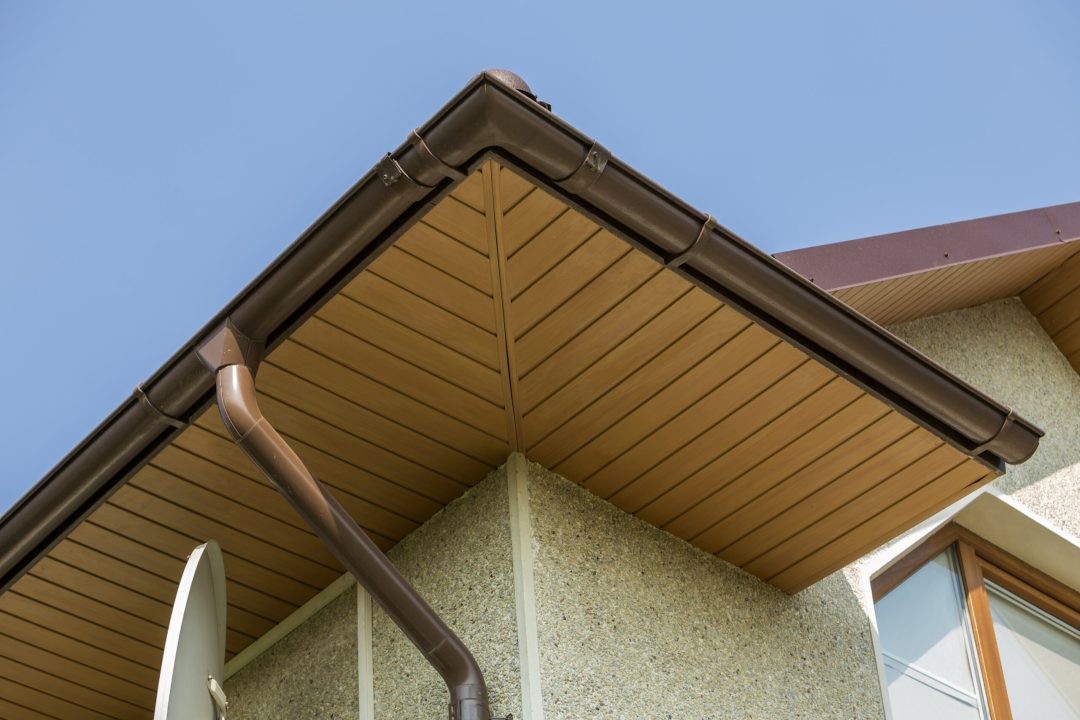
Your roof is made up of multiple components working together to protect your property. From managing moisture to supporting proper ventilation, soffit and fascia play a key role in maintaining a sturdy, reliable roofing system. Understanding how these components work helps homeowners and business owners prevent costly roof damage.
What is Soffit & Fascia?
Soffit and fascia are two essential parts of your roofing system. While most people prioritize shingles, gutters, and underlayment, these two components are equally important to protecting your property.
While easily overlooked, soffit is the horizontal panel lining beneath the underhang.
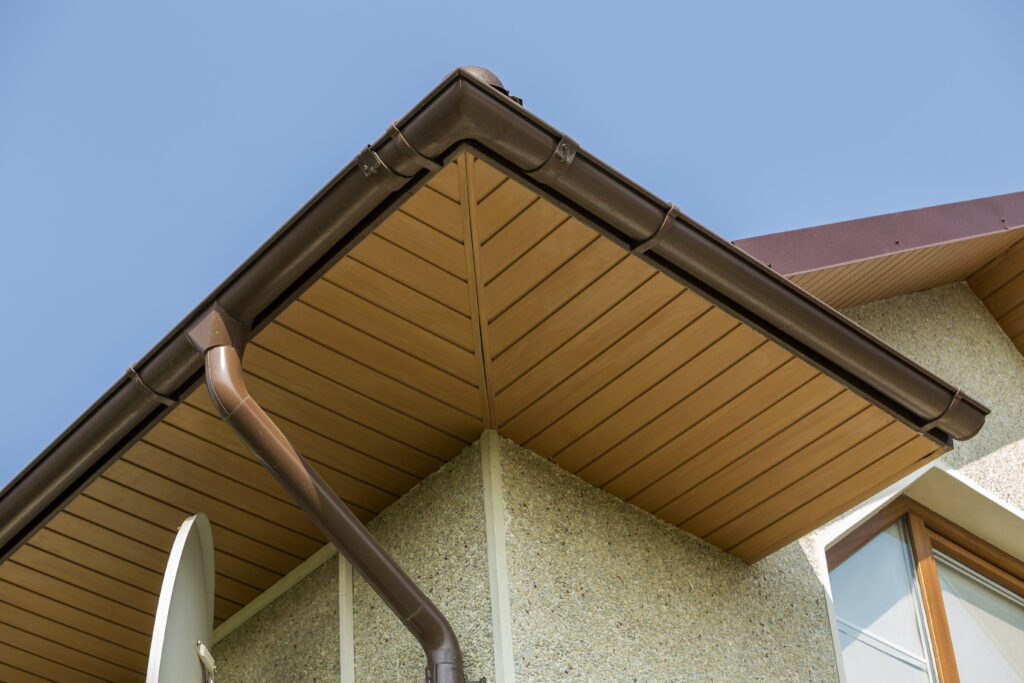
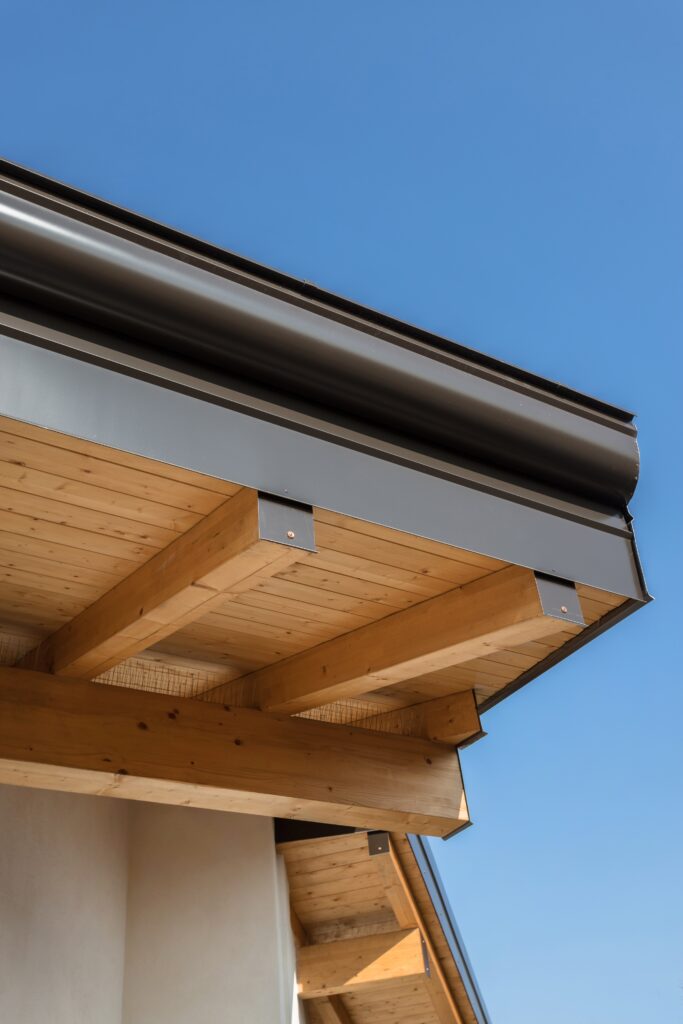
Fascia lines the outer edge of your roofing system. It’s the foundation where gutters hang from.
Why Soffit & Fascia Matter for Your Roofing System
Both soffit and fascia play a crucial role in ensuring your roof’s integrity.
Soffit keeps unwanted pests and moisture out. When your soffit is up-to-date, you can ensure that your local neighborhood squirrels and raccoons aren’t shacking up in your attic. Through small holes in the panels, soffit allows moisture and hot air to escape, while bringing fresh air in, ensuring a well-circulated and rot-free roofing system.
Fascia is crucial to keeping your drainage system healthy. It provides a durable place to install your gutters while preventing water from entering the roof deck. All with the bonus of enhancing curb appeal.
Common Materials for Soffit & Fascia
Traditionally, soffits are made of wood. However, most homeowners now opt for vinyl, aluminum, or fiber cement because of their durability and non-absorbent properties.
Roof fascia can be made of wood, aluminum, vinyl, or fiber cement. As the structural support for gutters, property owners choose sturdier materials.
Common Soffit & Fascia Issues Property Owners Should Watch For
As adjacent components, soffit and fascia face similar issues detrimental to your roofing system, including:
- Water damage, splintering, & rot
- Pest infestations, including raccoons, insects, and birds.
- Weather & age-related issues
These issues are tricky to spot when in the beginning phases. Next time you’re checking your roof,
- Peeling or flaky paint
- Cracking and splitting
- Rotting and soft spots
- Discoloration or water stains
- Mold & Mildew
- Sagging or bowing
Why You Shouldn’t Ignore Soffit & Fascia Damage
Ignoring minor damage can lead to expensive problems down the line. When you overlook soffit and fascia, your home or business can face:
- Structural damage and rot
- Pest infestations
- Water damage
- Broken gutter systems
- Increased energy bills
How Often Should Soffit & Fascia Be Repaired or Replaced?
Delaying soffit and fascia repair can lead to more costly roofing issues. If you notice minor damage, contact your local roofing experts to inspect the problem. They’ll assess the entire roofing system to rule out structural damage. Most experts recommend scheduling an annual roofing inspection and assessment to prevent costly roofing headaches in the future.
Schedule Your FREE Roofing Inspection
With over 100 combined years of experience and premium roofing materials, West Texas Commercial Roofing provides FREE roofing inspections for homes and businesses across West Texas. As a Lubbock-based company, our roofers in Lubbock value clear communication, honest recommendations, and long-term solutions. Schedule your FREE roofing inspection to identify potential issues before they turn into costly repairs.